- About
- Learn
- Shop
- FOUNDATION DIETS
- Whole Body Support Diet For Cats
- Whole Body Support Diet For Dogs
- TARGETED DIETS
- Bland Diet For Dogs
- Senior Support Diet for Dogs
- Sensitive Stomach Support Diet For Dogs
- Skin Support Diet For Dogs
- VETERINARY DIETS
- Bladder Support Diet For Cats
- Kidney Support Diet For Cats
- Kidney Support Diet For Dogs
- Webinars
- Contact
- For Veterinarians
- FAQs
- Login
- Reset Password

- About
- Return to Menu
- Our Ingredients
- Our Approach
- The Science Behind The Diets
- Learn
- Shop
- Webinars
- Return to Menu
- Bladder Health in Cats
- Obesity, Diabetes, & Metabolic Disorders in Cats
- Chronic Kidney Disease in Cats
- Digestive Health in Canines
- Diet’s Foundational Role in Supporting a Dog with Cancer
- Diets Foundational Role In Supporting Your Dogs Skin Health
- Diet’s Crucial Role in Caring for the CKD Dog
- Contact
- For Veterinarians
- Reset Password
- Login

- Cart
- Return to Menu
- Return to Menu
- Return to Menu
- Return to Menu
Skin Issues in Dogs
The number one health issue plaguing dogs today? – Skin issues. Between allergies, skin infections, dry skin, hot spots, and flea reactions, skin issues are the number one reason why guardians bring their dogs to the veterinarian. It can be very distressing to see your dog struggle to find relief, and though skin issues seem daunting and difficult to treat, the right diet and treatment can give an itchy dog much-needed relief.
Common Skin Issues in Dogs
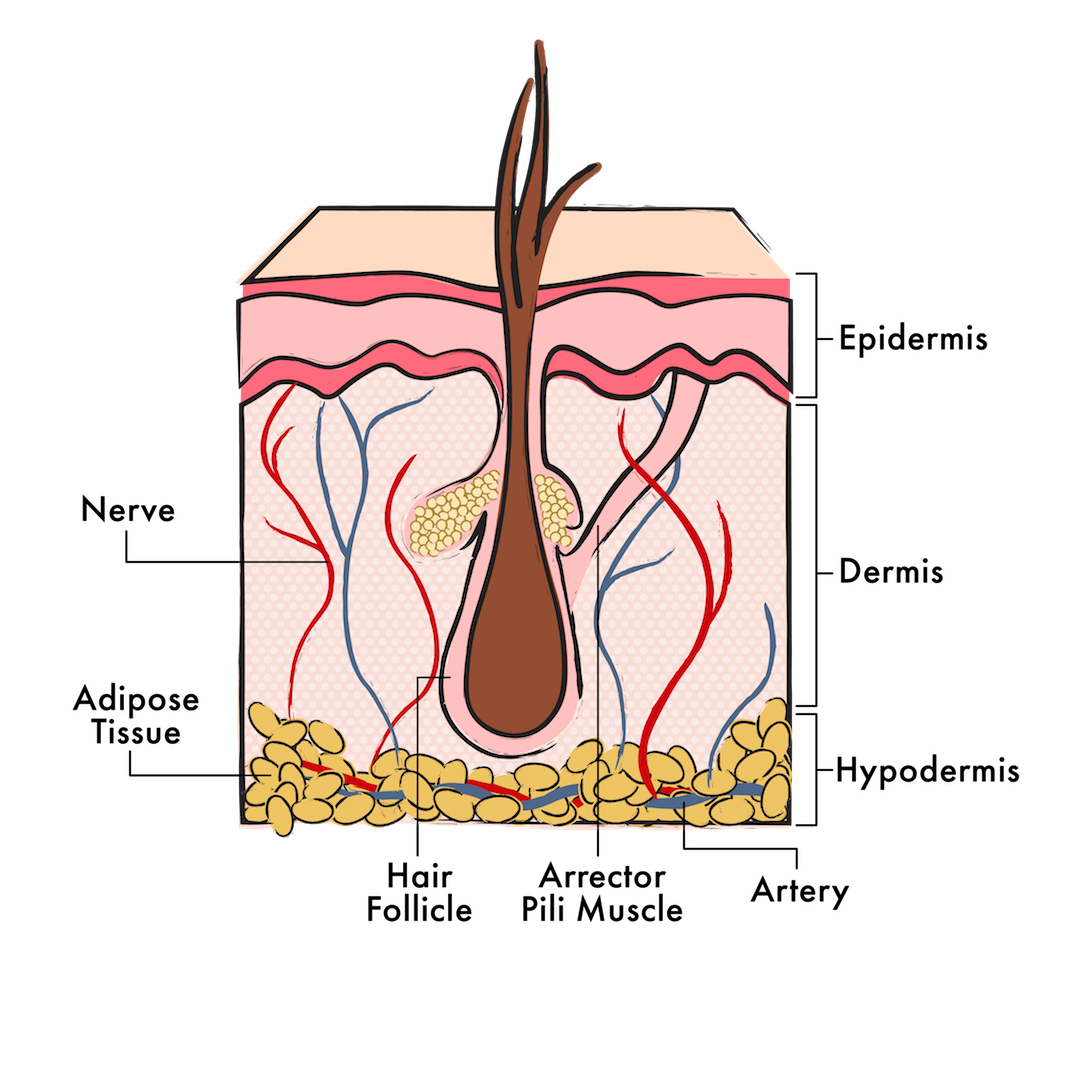
In general, a dog’s skin is either pink or black and it should be smooth without hair loss. A healthy dog is not an itchy dog nor is scaly skin, rough patches, dandruff, dull coat, and irritation normal. Skin and coat health often act as telling indicators of your dog’s overall health.
Several notable skin conditions can impact your dog.
Allergies are an overreaction from the immune system called a hypersensitivity, which causes your dog’s body to overreact to things called allergens in their food or environment that would otherwise not be harmful to health. The way the immune system functions is a result of both genetics and the environment. Most allergies develop over years due to diet or environmental causes. The more your dog is exposed to the allergens they are sensitive to, the more the immune system overreacts and the more intense and long-lasting the allergic response becomes.
There are three primary categories of allergies we see in dogs:
Food allergies
Environmental allergies or inhalant allergies
- Contact allergies
For environmental allergies, they can be seasonal and/or chronic and are often an inhalant of an allergen such as pollens or molds. With food allergies, they often are chronic and can only be relieved by eliminating the food causing the allergy. Contact allergies are usually a reaction to something applied topically such as a shampoo.
Dogs with allergies expressed in the skin are hot to the touch with reddened, inflamed skin. They are restless and itchy, have a musty “dog smell”, greasy coat, open, weepy skin sores called “hot spots”, may be more irritable and are generally miserable in the most severe cases.
Dogs with allergies often have issues with ears being itchy and inflamed but not necessarily a lot of wax or debris like they would with a bacterial or yeast ear infection.
You may see your dog scratching at their ears and they may shake their head. In addition, they may experience hair loss around the ears. If the allergy response in the ear persists, bacterial or yeast infections can occur. Ear issues as a result of allergies is more common in chronic allergies.
Fleas are small parasitic insects that survive by feeding off your dog’s blood. While they can be annoying, what really causes skin irritation is the flea’s saliva and droppings. Flea saliva enters the body after a flea bites, which can cause an allergic response that irritates your dog’s skin. This is similar to when you are bitten by a mosquito. This response to the saliva often causes them to itch and scratch. Tick bites can induce the same reaction. Flea and tick bite symptoms in dogs include red and inflamed skin and scratching at bite marks. In addition, they may chew to help relieve itching, which if done often enough can cause the fur to fall out in patches.
Eliminating the fleas and maintaining a prevention program are paramount to your dog’s skin health.
Dry skin is another very common skin problem in dogs that can manifest in several ways. Dogs with dry skin will often have scaly or flaky skin. They are itchy but it’s a mild itch. There may also be redness and inflammation from scratching at dry skin. Just like us, dogs can also get dandruff from having dry skin. It could be an indicator of an underlying infection or dietary issue. Dry skin can be caused by the environment (such as a low humidity), dietary issues (such as lack of healthy oils – think Omega-3 fatty acids), and even dehydration.
One of the most common skin infections in dogs is a yeast infection. Normally dogs have a certain amount of yeast on their skin, but it doesn’t bother them if it is balanced. However, when yeast overgrows, it can cause immense discomfort. Yeast infections often happen around the ears, in the ears, or on the paws since yeast likes warm and moist places to grow. If your dog has a yeast infection, you may see them scratching their ears or chewing their paws. Yeast infections also have a strong odor to them and the skin will likely be discolored. Yeast can also be an opportunist pathogen meaning it invades because it can. Such as the case in yeast infections concurrent with skin allergies. The hot, inflamed, and weepy skin is the perfect medium for yeast to take advantage of the situation.
Another skin infection dogs can develop is ringworm. Despite its name, ringworm is not a worm but a fungus, one highly contagious to other animals and humans. Ringworm appears in circular patches with a crust, and may also appear inflamed and red from scratching. The infection is often found on a dog’s head, ears, front legs, and paws. Because it is highly contagious, great caution is advised. Make an appointment with your veterinarian and be sure to wash your hands and avoid touching the infected area(s).
Other common skin infections in dogs include folliculitis and impetigo. Folliculitis is a condition where the hair follicles are inflamed. It is often experienced as a secondary infection, often when a dog has mange or skin allergies. Folliculitis appears on the body as sores, bumps, and scabs. Puppies are more susceptible to impetigo than adult dogs. Symptoms appear as lesions on the puppy’s belly as blisters, which can burst and scab over.
What are some symptoms of unhealthy skin?
Scratching and itching are the most common and noticeable signs of unhealthy skin. In addition to scratching, dogs with various skin issues may also chew, gnaw, or paw at the affected area(s). They may also rub against surfaces like furniture or carpet to alleviate the itching.
Other signs of unhealthy skin can include:
- Hot to the touch
- Redness or discoloration
- Inflammation
- Open wounds (lesions)
- Scabs (as a result of lesions)
- Scaly patches
- Rashes
- Dry or flaky skin
- In some cases, the skin could be oily instead
- Dandruff
- Bald patches and hair loss
- Thickening of the skin
- Hot spots
- Ear issues
- Musty odors (from ears, paws, or irritated areas)
How are skin issues in dogs diagnosed and treated?
If your dog is showing signs of having a skin issue, it is important to bring them to the vet for a physical exam. Based on your dog’s history and the symptoms they are experiencing, your vet will run various diagnostic tests.
A microscopic examination of the fur and skin for signs of parasites, mites or infection, blood or allergen testing, and even possibly a skin biopsy are some typical tests done to figure out what might be causing your dog’s skin issues.
Testing can take quite a bit of time as many skin issues appear the same clinically.
Treatment will vary depending on the cause of the skin issues. Sometimes treatments can be as simple as changing the diet or using soothing topical medications. Other times, prescriptions to combat fungal & bacterial infections, eliminate mites, or antihistamines, and anti-itch medications may be needed. Allergy testing and food elimination trials can let you know what foods to avoid. And allergy testing can determine what inhalants allergens (pollens, molds, dust mites, etc.) are detrimental to your pet and possibly guide a hypo-sensitization program.
Holistic veterinarians may be able to offer other therapies to support healing via herbs, acupuncture, and homeopathy.
How can you help your dog’s skin?
One of the most impactful ways to support your dog’s skin health is through high-quality nutrition. Skin reflects internal balance, and nutrient-dense, species-appropriate food helps support the body’s natural barrier function and immune response. Addressing skin health at its foundation is essential—because simply suppressing symptoms without identifying the cause often leads to recurrence.
Fortunately, many issues involving the skin tend to manifest themselves or appear the same– hot, itchy skin with red bumps and weepy lesions. Your veterinarian is going to be doing some investigative work to figure out what is the root cause of the reactive skin. This is not always easy to figure out, so it may take several trips to your veterinarian to get to the root cause.
Addressing skin issues typically involves a two-part approach. Number one is healing the already inflamed, ulcerated, reactive, painful, and itchy skin that is present today. This often involves antibiotics, antifungals, antihistamines, and at times, corticosteroids. Number two, and most important, is determining what caused that cascade of events to occur in the first place. Was it a food your pet ate that he is allergic to? Was it a pollen that he inhaled? Was it a flea that he picked up at the boarding kennel? Was it a reaction to a new shampoo that you used on him? You and your veterinarian will need to be detectives in determining the cause.
Creating a healthy environment for your dog is crucial in managing environmental allergies. Sprays, cleaning supplies, cigarette smoke, plants, pollen, dust, pesticides, and herbicides can contribute to allergies. Though not always feasible, if you can eliminate the allergens that your dog reacts to, please do so. For example, if your dog is allergic to the pollens of ragweed, attempt to clear all ragweed from your yard.
To help the healing process, some topical treatments can be used. Oatmeal baths, aloe vera and calendula gels, and green tea compresses can be very helpful in providing much-needed relief to your dog.
Bathing to reduce the grease from the coat and skin is also helpful. However, it is important not to bathe your dog too often. Bathing too often can strip the skin and fur of protective oils and good bacteria, which can make skin issues worse.
Diet’s Role in Skin Care
Lamb, chicken, and beef are the most common proteins used in pet foods, meaning your dog has likely been exposed to these proteins and could develop an allergic reaction to them. Clean, healthy protein from novel sources such as guinea fowl and bison liver nourish the body while reducing the likelihood of prior dietary exposure. Guinea fowl is considered a novel protein in that very few commercial dog foods use it as the protein source. The probability that your pet has experienced the antigens or allergic components of guinea fowl is unlikely. Bison liver is also not often used in commercial pet food due to its expense, so yet again, it is something your dog may not have been exposed to in the past.
Limiting ingredients is also imperative in a diet designed for dogs with skin issues. The more ingredients in a food, the more likely it is to trigger an allergy. However, it is still important to have a well-balanced diet, so there is a need for a fresh meat protein source, organ meat, some fruits and vegetables, and a small amount of carbohydrates to pull it all together.
A Skin Health Diet is designed to nourish the body with clean, novel proteins, support a balanced inflammatory response, limit unnecessary ingredients, and provide nutrients that strengthen the skin barrier from within.
Nourishing and building healthy skin requires good fats. Omega-3 and omega-6 fatty acids are important for developing a healthy skin barrier. Omega-3 fatty acids are well known for their anti-inflammatory, skin-nourishing, and immune-balancing properties, to name a few. The ratio of omega-6 to omega-3 fatty acids is extremely important for pets with skin issues. The goal is high omega-3 fatty acid content and a proper omega-6-to-omega-3 ratio. The ideal ratio is less than 1:1. Most commercial kibble has a 40-to-1 ratio.
Certain omega-6 fatty acids are essential in maintaining skin structure and barrier integrity. These must be supplied through the diet in an appropriate balance alongside omega-3 fatty acids to support overall skin resilience.
All ingredients in your dog’s food should be fresh, highly bioavailable, easily digested, and highly palatable.
You should also avoid dog foods with artificial colors, flavors, meat meals, artificial preservatives, and other chemicals—clean, healthy, whole food matters.
The Importance of Real Whole Food Nutrition in a Skin and Allergy Diet
For a dog with skin issues, the goal is to nourish the body with clean, wholesome foods, minimize potential allergens or low-grade toxins, and provide healthy fats that support a strong skin foundation while soothing the skin from the inside out. These goals are best supported through clean, whole food nutrition.
The key to achieving this is feeding novel proteins, foods rich in antioxidants to support a balanced inflammatory response, and fats designed to soothe and moisturize the skin. A healthy, well-balanced dog on a good diet is one less likely to be susceptible to chronic skin issues.
The quality and source of protein are very important. Clean, wholesome, novel meats and organs are important for overall health.
Novel proteins may help reduce prior dietary exposure, which can be helpful in dogs with suspected food sensitivities.
Once a dog is allergic to a certain protein in a food, that food will continue triggering their allergies indefinitely. The key is to find something that they haven’t eaten before. Guinea fowl is one such novel protein source. Not only is guinea fowl meat full of protein, but it is also a rich source of all kinds of vitamins and minerals. This includes calcium, iron, phosphorus, and magnesium. It also contains the B vitamins as well, and essential fatty acids like Omega-3 fatty acids, which are crucial for a dog’s health and well-being.
Bison liver is a true superfood for pets and is a fantastic source of protein. It also contains numerous needed vitamins, such as vitamin A and D. Bison is considered a novel protein source, meaning many dogs may not have been previously exposed to it.
Healthy skin is built on the right fats. Omega-3 and omega-6 fatty acids are foundational to maintaining a resilient skin barrier and supporting overall cellular balance. When skin is reactive, that balance matters even more.
The ratio of omega-6 to omega-3 fatty acids is critical. Prioritizing a higher omega-3 content with a tightly controlled omega-6:omega-3 ratio helps maintain skin integrity and physiologic balance. In many cases, a ratio approaching 1:1 is ideal — far lower than what is typically found in conventional kibble.
Marine-based omega-3s are preferred for their bioavailability and purity. Ground krill is a concentrated, clean source of omega-3 fatty acids. Because krill sit low on the food chain, they are far less likely to accumulate environmental contaminants than larger fish sources.
Certain omega-6 fatty acids are also essential and must be supplied through the diet to support skin structure and barrier strength. The key is not elimination — it is balance.
Sweet potato and carrots are full of antioxidants and have numerous health benefits due to all the vitamins, minerals, and antioxidants in them. This includes vitamin A, vitamin B6, vitamin C, calcium, potassium, and iron.
You can’t compromise on using clean, wholesome foods. In the case of dogs with skin issues, ingredients are carefully picked for their multi-functional purposes.
Skin health begins at the cellular level. The right nutritional framework reinforces barrier function, supports immune equilibrium, and helps maintain calm, resilient skin over time.
Note: The information provided is educational and does not represent medical advice regarding pets. Please see your vet for an accurate diagnosis of your pet’s condition.
- Automatically re-order your favorite products on your schedule.
- Easily change the products or shipping date for your upcoming Scheduled Orders.
- Pause or cancel any time.
