The Power of Whole Foods

Real, Whole Foods Defined

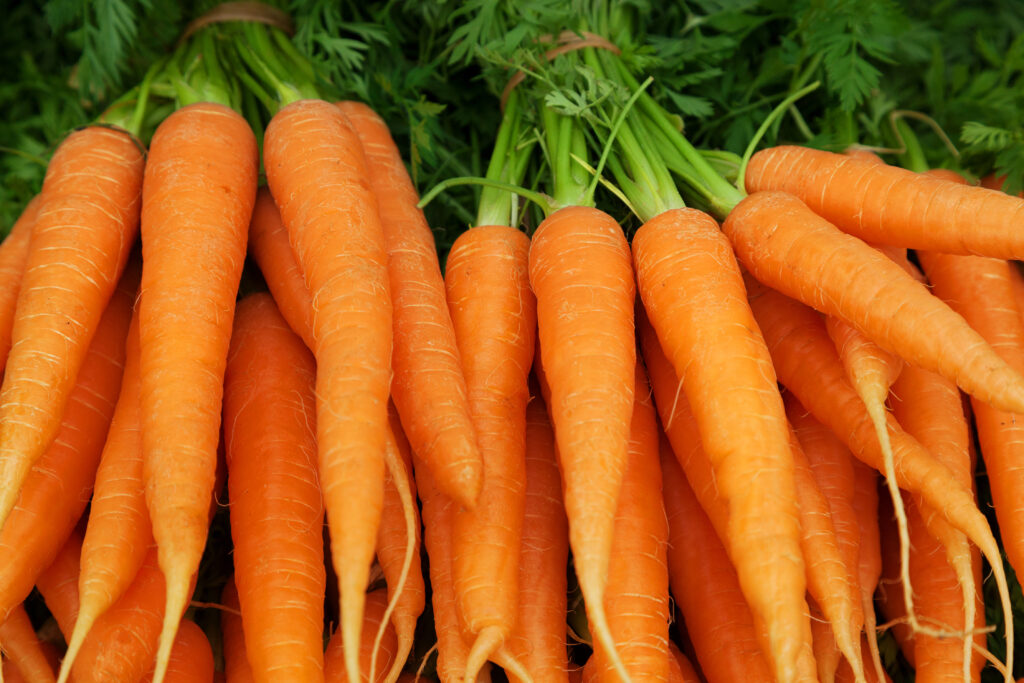
Whole foods are exactly that– whole, unadulterated ingredients like apples, blueberries, and carrots. Real, whole foods have been minimally processed or refined as little as possible and are free from artificial substances.

It’s the difference between an apple, and apple pomace, the leftover 25-30 % after an apple is milled and pressed, or the difference between whole meat proteins and rendered meat meals. The distinction is crucial when choosing the right nutritional framework for your pet.
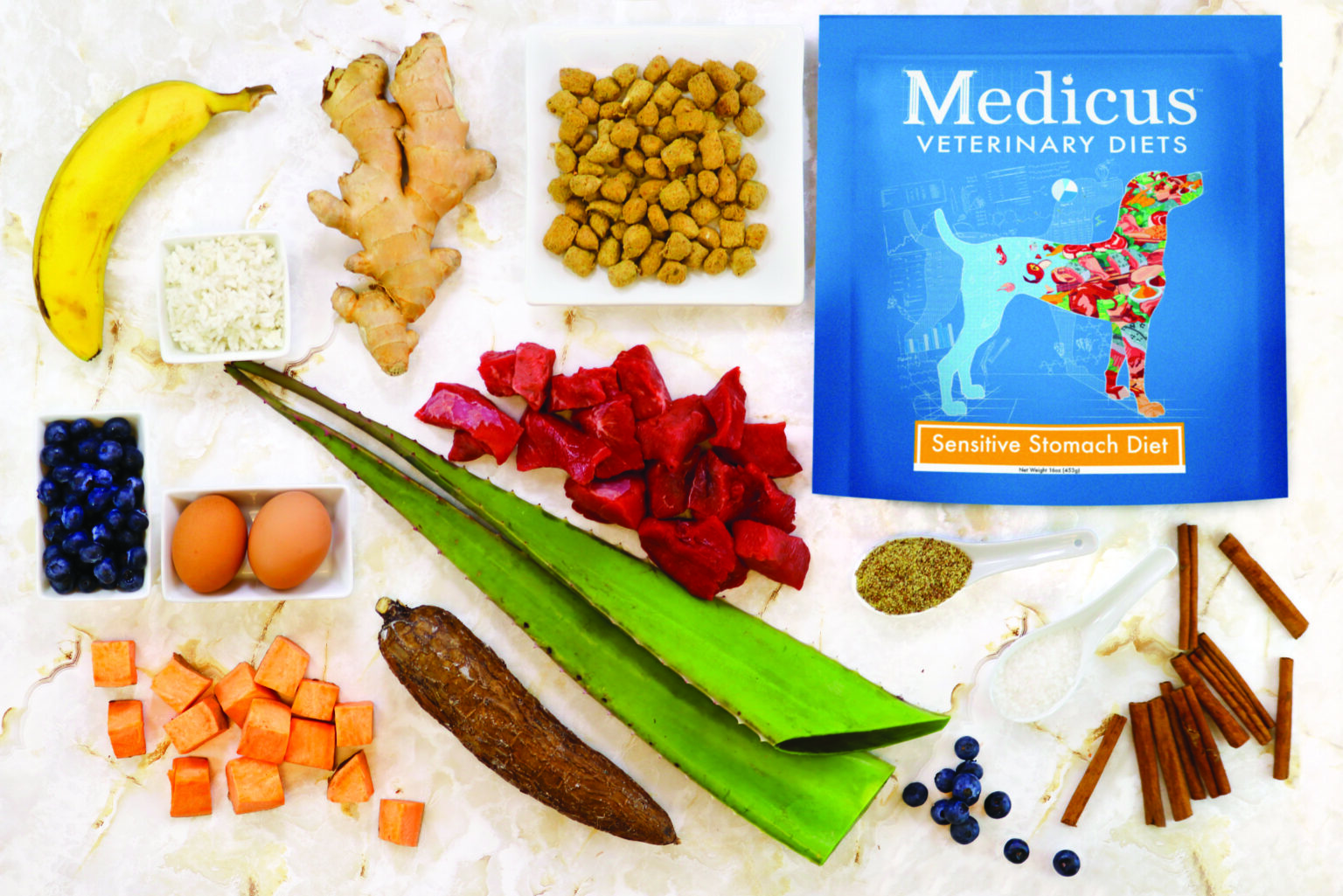
 

Real, Whole Foods Defined

Whole foods are exactly that– whole, unadulterated ingredients like apples, blueberries, and carrots. Real, whole foods have been minimally processed or refined as little as possible and are free from artificial substances.

It’s the difference between an apple, and apple pomace, the leftover 25-30 % after an apple is milled and pressed, or the difference between whole meat proteins and rendered meat meals. The distinction is crucial when choosing the right nutritional framework for your pet.

 

Real, Whole Foods Defined

Whole foods are exactly that– whole, unadulterated ingredients like apples, blueberries, and carrots. Real, whole foods have been minimally processed or refined as little as possible and are free from artificial substances.

It’s the difference between an apple, and apple pomace, the leftover 25-30 % after an apple is milled and pressed, or the difference between whole meat proteins and rendered meat meals. The distinction is crucial when choosing the right nutritional framework for your pet.

 

Using Whole Foods for their Form & Function

Medicus diets are formulated to meet precise veterinary nutrient targets using real, whole-food ingredients rather than relying primarily on synthetic vitamins and minerals added after heavy processing.

Whole foods are easier for the body to digest because their nutrients remain in their original form. When ingredients retain their natural structure, proteins, fats, vitamins, and minerals work together in ways the body can efficiently recognize, break down, and use.

Many highly processed diets begin with ingredients that lose much of their nutritional value during manufacturing. Synthetic nutrients are then added back to meet required standards. While this meets nutrient minimums on paper, it does not restore the original structure or digestibility of whole foods.

Whole foods already contain complete nutrient systems that support normal digestion, nutrient absorption, and overall physiological function. By selecting ingredients that naturally provide these nutrients, Medicus delivers precise nutrition through real food — not by reconstructing it after processing.

This matters because when nutrients are easier to digest and utilize, the body can more effectively maintain organ function, metabolic health, and long-term stability.

Using Whole Foods for their Form & Function

Medicus diets are formulated to meet precise veterinary nutrient targets using real, whole-food ingredients rather than relying primarily on synthetic vitamins and minerals added after heavy processing.


Whole foods are easier for the body to digest because their nutrients remain in their original form. When ingredients retain their natural structure, proteins, fats, vitamins, and minerals work together in ways the body can efficiently recognize, break down, and use.


Many highly processed diets begin with ingredients that lose much of their nutritional value during manufacturing. Synthetic nutrients are then added back to meet required standards. While this meets nutrient minimums on paper, it does not restore the original structure or digestibility of whole foods.


Whole foods already contain complete nutrient systems that support normal digestion, nutrient absorption, and overall physiological function. By selecting ingredients that naturally provide these nutrients, Medicus delivers precise nutrition through real food — not by reconstructing it after processing.


This matters because when nutrients are easier to digest and utilize, the body can more effectively maintain organ function, metabolic health, and long-term stability.

Proof of Ingredient Quality — Backed by Data

New research into biogenic amines is completely changing the conversation around ingredients. 


Biogenic amines are of growing interest because of their toxicological effects and their important role as indicators of food quality.

For years, ingredient quality in pet food has largely relied on supplier documentation and finished product nutrient testing. But nutrient levels alone do not reveal how ingredients were handled before processing.

Biogenic amines (BAs) are compounds that naturally increase as proteins degrade. Their levels are influenced by raw material condition, bacterial activity, and storage practices. Because BAs remain stable even after heat processing, they provide measurable insight into ingredient quality in the finished product.

Why This Represents a Shift in Pet Nutrition

Historically, the pet food industry has allowed the use of rendered ingredients derived from animals classified as dead, dying, diseased, or down (commonly referred to as “4D” livestock), provided they meet regulatory rendering standards.

Rendering can make such materials legally usable in feed-grade ingredients. However, protein degradation prior to rendering can increase biogenic amine levels, which are widely recognized markers of spoilage and protein breakdown.

Today, biogenic amine testing provides a measurable way to assess ingredient quality — increasing transparency and accountability across the industry.

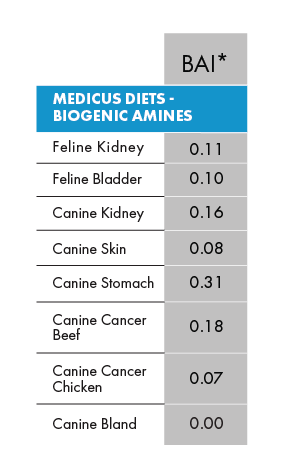
Medicus Diets - Biogenic Amines

As part of our quality standards, Medicus diets are tested for biogenic amines.

Biogenic Amine Index (BAI) interpretation:

  • <5 mg/kg → consistent with high-quality fresh meat

  • 5–20 mg/kg → acceptable quality

  • 20–50 mg/kg → lower quality meat

  • 50 mg/kg → spoiled meat

Our results reflect low biogenic amine levels across formulations, supporting our commitment to sourcing ingredients selected and handled to preserve their integrity.

Why This Matters for Your Dog

Ingredient degradation affects more than appearance — it alters protein structure and can influence digestibility and nutrient utilization.


When proteins are intact and properly handled, the body can more efficiently break them down and use their amino acids to support:

• normal organ function

• metabolic health

• immune system function

• overall physiological stability


Objective testing allows us to verify that the ingredients used in our diets align with the standards we set — not just in theory, but in measurable data.

Medicus Diets - Biogenic Amines

We tested our foods for biogenic amines, and the results can conclusively speak to the quality of our raw ingredients. 

Biogenic Amine Index (BAI) = (Histamine+Putrescine+Cadaverine+Tyramine)/(1+Spermine + Spermidine)

*Biogenic Amine Index

<5 mg/kg indicating good quality fresh meat

5 and 20 mg/kg for acceptable meat but with signs of initial spoilage

20 and 50 mg/kg for low-quality meat

>50 mg/kg for spoiled meat

We source grass-fed meats, wild-caught fish, organic veggies, and meats with low biogenic amine levels, and now we have the numbers to prove that we are using the cleanest ingredients. 


While every pet should be eating clean, whole food, using clean, bioavailable, and highly digestible meats is crucial for our sick pets who not only need the nutrition to nourish their bodies but the right nutrient framework to address disease.

Compare Our Ingredients

To Theirs

Medicus diets are built from real, whole-food ingredients — not meat meals, cellulose, sub-ingredients, or long lists of synthetic additives.

How the Approaches Differ

Medicus

✓ Whole meats and organs

✓ Identifiable whole-food ingredients

✓ Nutrients delivered through food itself

✓ Minimal synthetic supplementation


Common Dry Diets

• Rendered meat meals

• Refined starches and grain fractions

• Fiber isolates such as cellulose

• Multiple added vitamin and mineral supplements

Ingredient lists show how nutrition is delivered. Below, you’ll see the difference between food built from whole ingredients and food built primarily from processed components and added supplements.

This difference reflects two fundamentally different formulation approaches — one built from whole foods selected for their nutrient value, and one built from processed ingredients supplemented to meet nutrient targets.

Whole Foods vs. Rendered and Sub-Ingredients

Whole foods can be used in their complete form, or broken down into smaller parts like protein isolates, starches, and fibers. These parts may appear as separate ingredients on pet food labels, even though they originally came from the same source.


This can make ingredient lists harder to interpret. A diet may meet nutrient requirements through supplementation, rather than through intact ingredients that naturally provide those nutrients.


Why does this matter? Because the form of an ingredient affects how easily your dog can digest and use it. When nutrients remain in their original structure, the body can more efficiently absorb and utilize them to support normal organ function, muscle maintenance, and metabolic health.


This matters for all pets. For those managing health conditions, it matters even more. Their bodies have less margin for inefficiency, and the integrity of their nutrition plays a direct role in how effectively their bodies can function.


Whole ingredients also preserve sensitive nutrients like omega-3 fatty acids, which help regulate inflammation. This is one example of how ingredient form influences nutrient function. The comparison below uses grass-fed beef and beef meal to illustrate this difference.

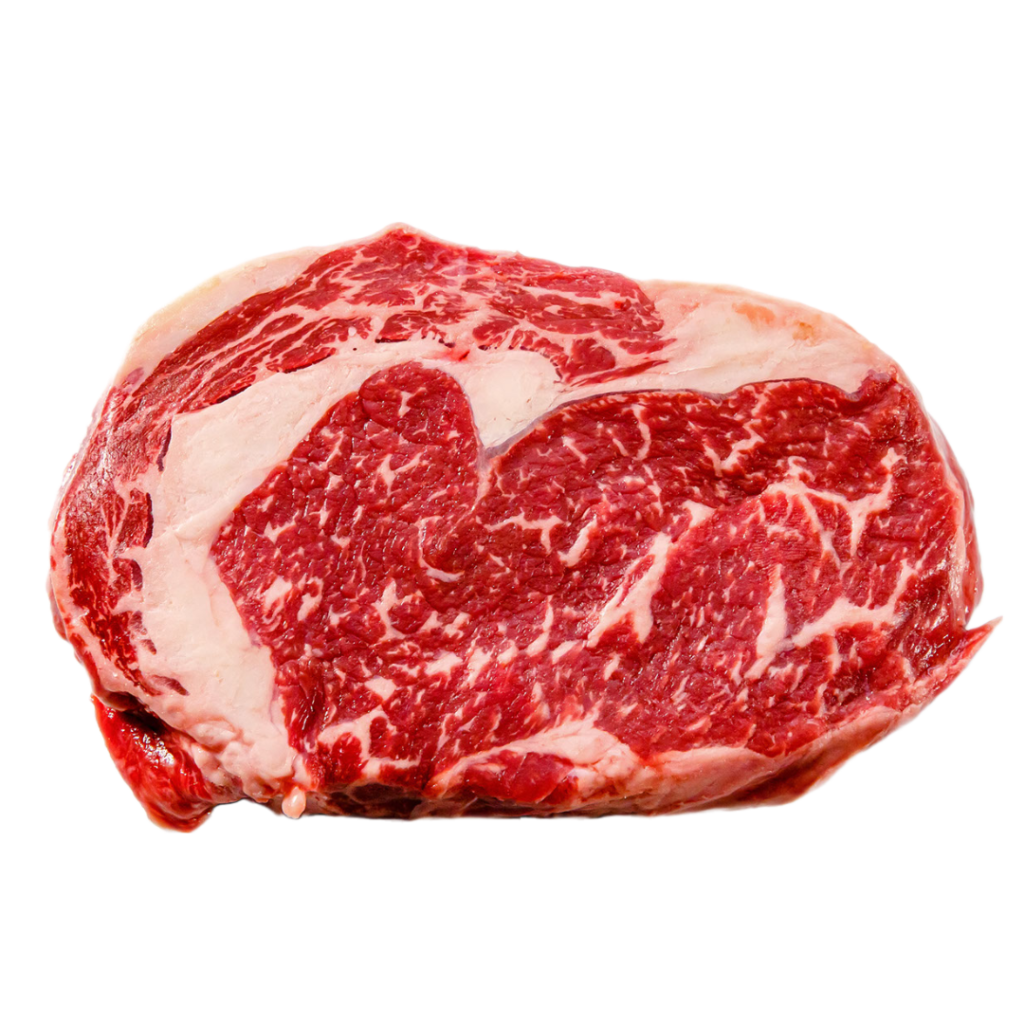
Grass-Fed Beef

How an animal is raised directly affects the nutrition it provides. Grass-fed beef contains significantly higher levels of omega-3 fatty acids — in some cases nearly 5x more than grain-fed beef — along with a more favorable omega-6 to omega-3 balance.

Omega-3 fatty acids help regulate inflammation and support normal immune, metabolic, and organ function. This is especially important for pets managing health conditions, where inflammatory balance directly affects physiological stability.

Grass-fed animals also develop leaner muscle tissue, providing highly digestible protein and naturally occurring nutrients preserved in their intact form.

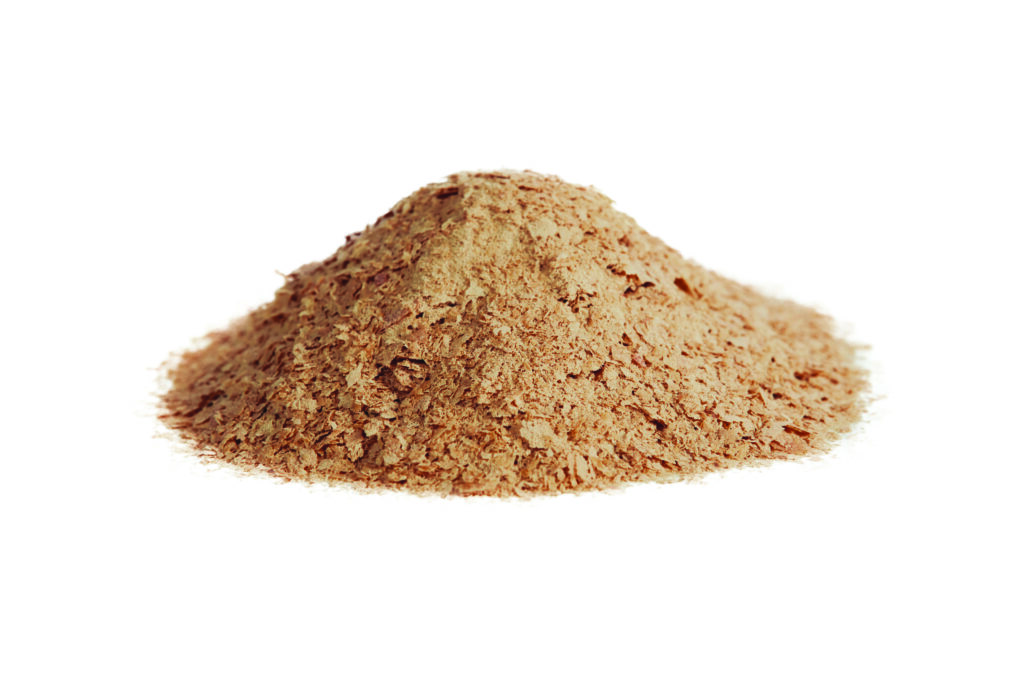
Rendered Beef Meal

Beef meal is produced through rendering, a high-heat industrial process that converts animal material into a dry protein powder for use in kibble.


This process fundamentally alters the original ingredient. Naturally occurring fats — including omega-3 fatty acids that help regulate inflammation — are reduced or destroyed during rendering. What remains is a concentrated protein ingredient that no longer reflects the full nutritional profile of whole meat.


To compensate, synthetic vitamins, minerals, and fats are added back to achieve the required nutrient levels.


While this approach meets nutritional minimums, it replaces intact, biologically complete nutrition with reconstructed nutrient profiles assembled after processing.

Why This Matters


When nutrients come from intact ingredients, the body can digest and use them more efficiently — including those that help regulate inflammation and support normal physiological function.


When nutrition is rebuilt after high-heat processing, it relies on added replacements rather than the original biological structure of the ingredient.

For pets managing illness, this distinction is not theoretical. It influences how effectively their bodies regulate inflammation, maintain metabolic balance, and truly utilize the nutrition they depend on.

Whole Food Highlight

Whole Food Highlight

Each ingredient and its proportions were thoughtfully chosen for its form and function. These are just a few of the foods used in our formulas.

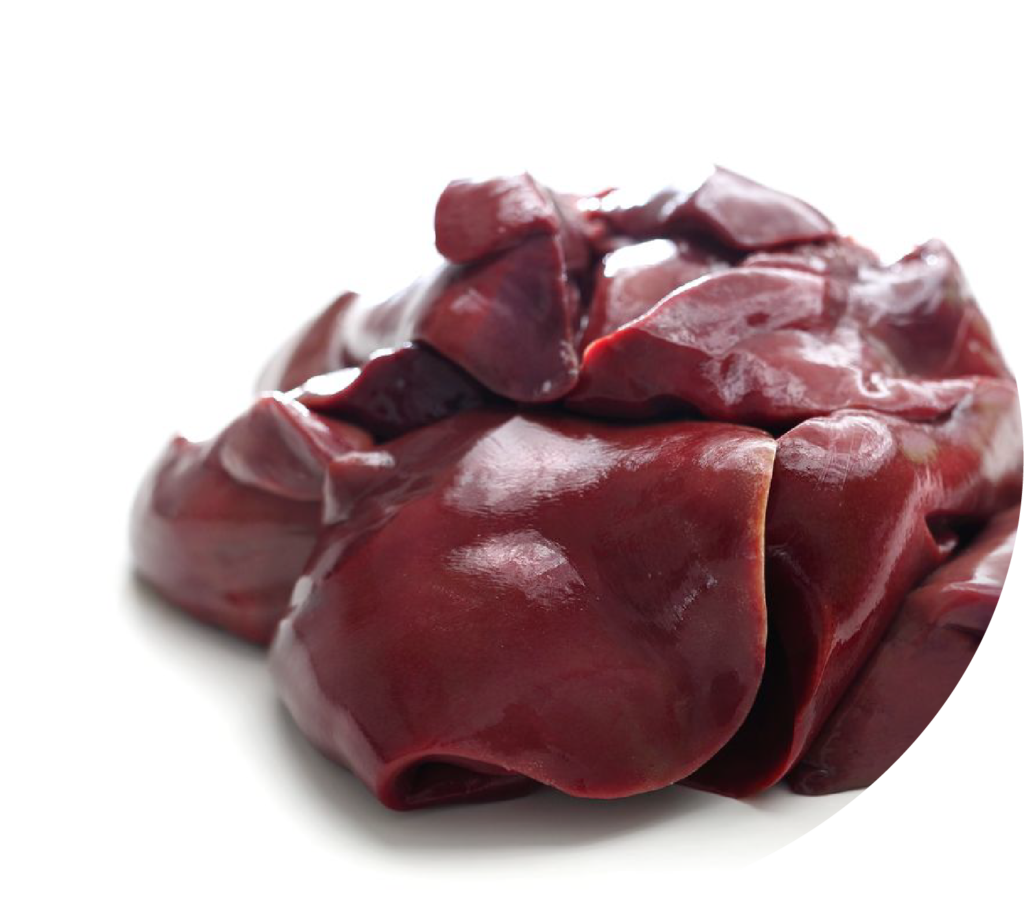
Beef Liver – Organs like liver are among the most nutrient-dense parts of an animal. They naturally provide essential vitamins and minerals in their intact form — nutrients that are often restored through supplementation in more heavily processed diets. Organs such as liver and kidney provide exceptionally high levels of essential vitamins, contributing significantly to your dog’s daily nutrient needs.

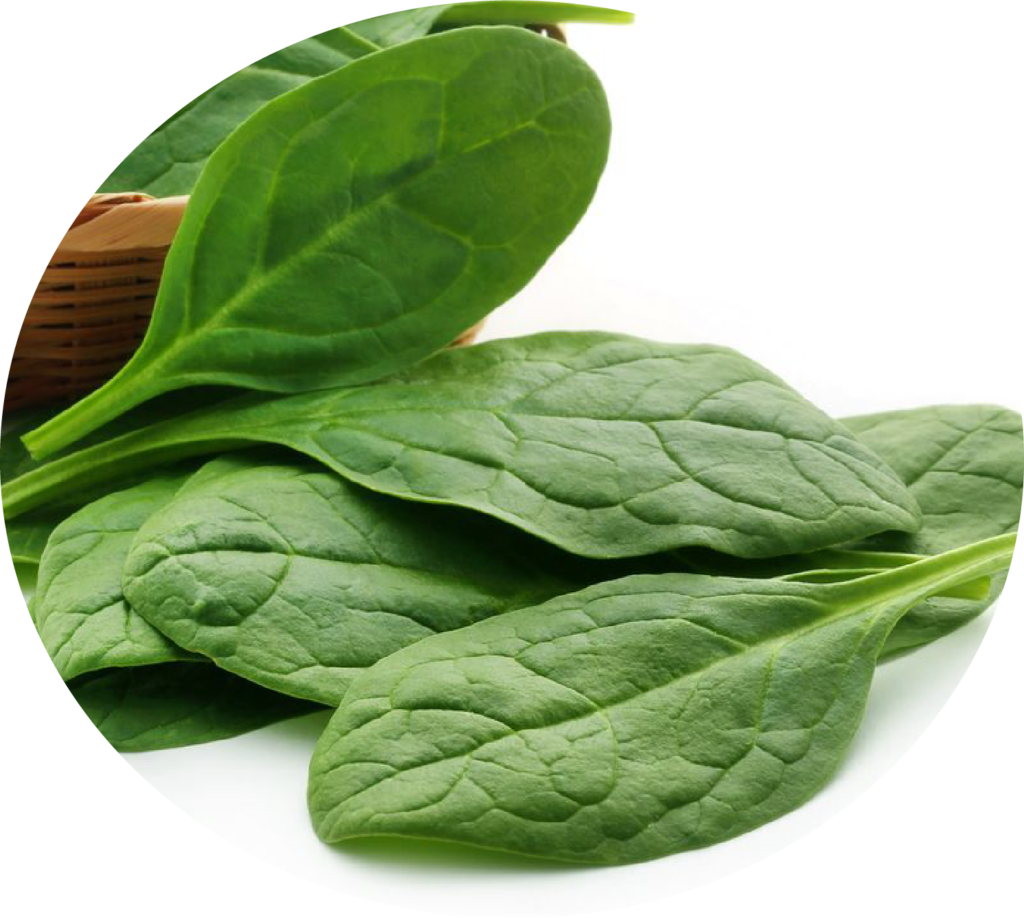
Spinach – Super-powered greens offer whole food nutrients like vitamins A, K, and C and antioxidants that protect against oxidative damage.

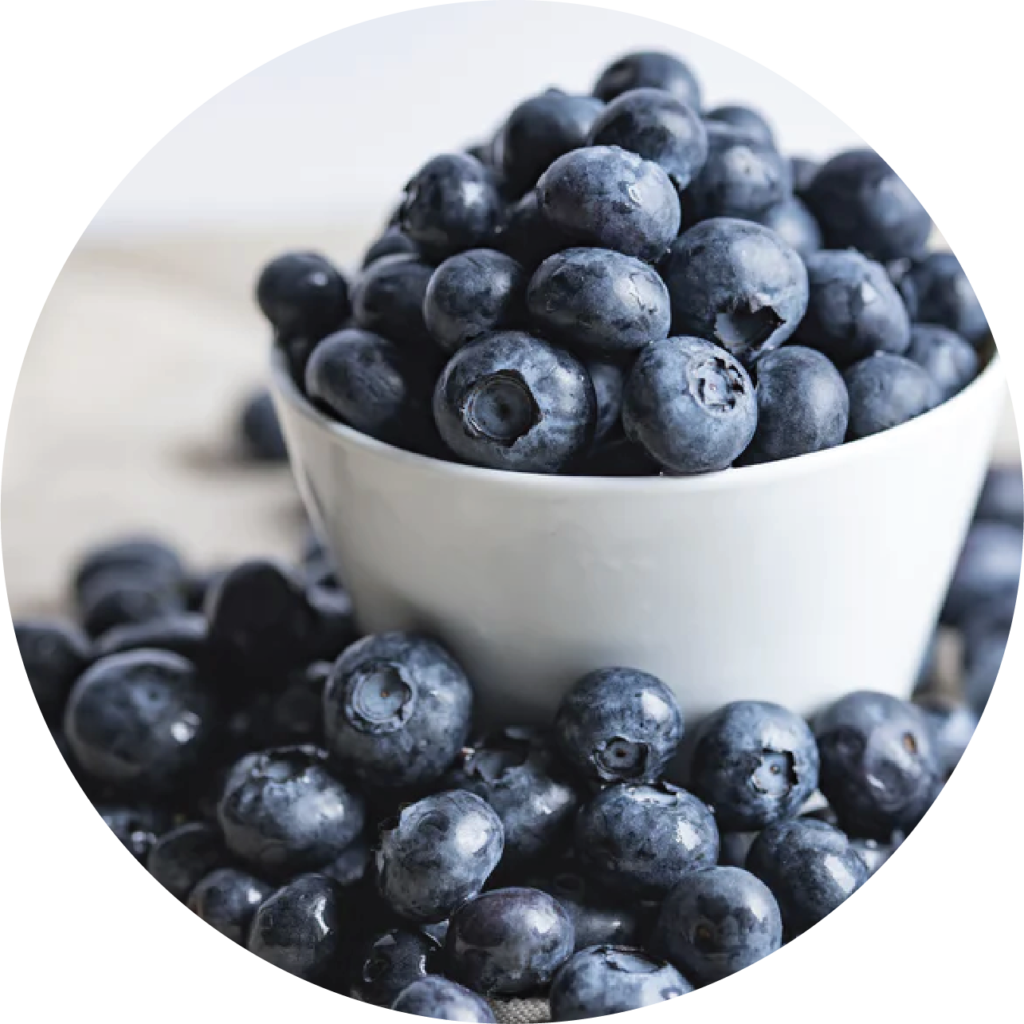
Blueberries – The deep blue color of blueberries comes from anthocyanins — powerful natural antioxidants that help support normal cellular health and oxidative balance. Blueberries also provide whole-food fiber that supports digestive function. Just a cup of blueberries fulfills 14% of daily fiber intake.

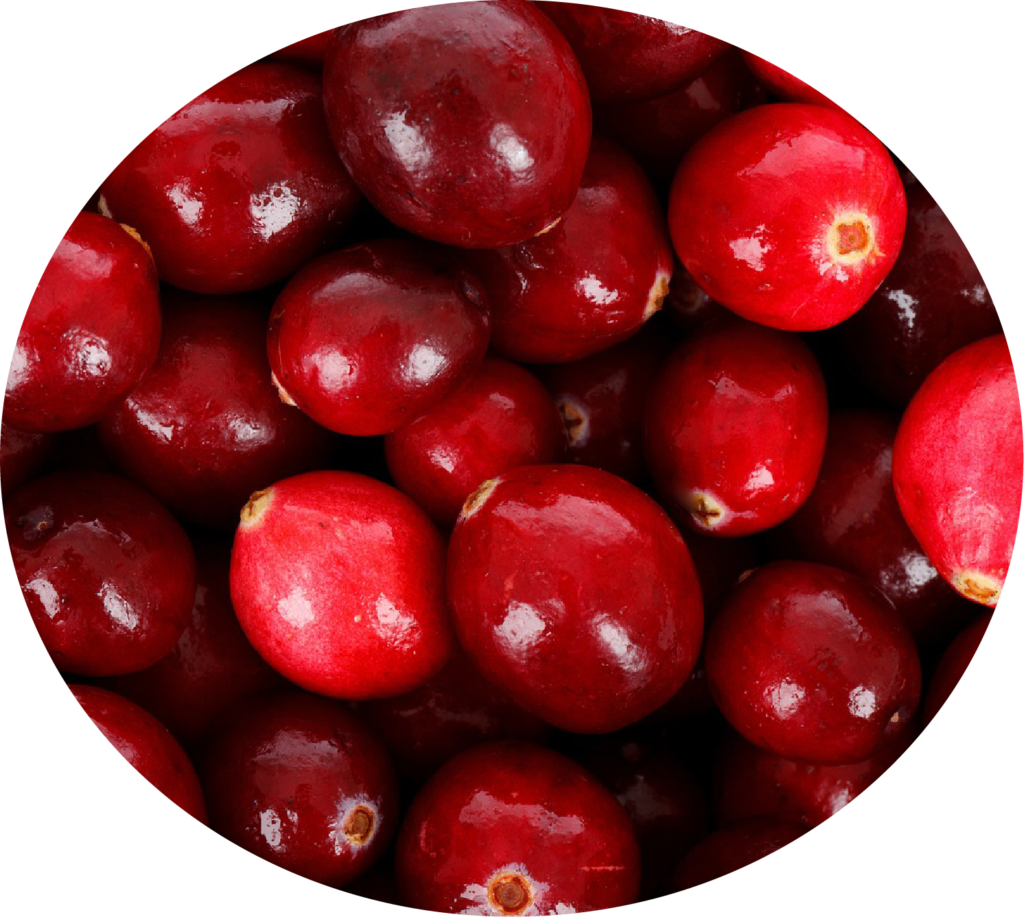
Cranberries – Contain naturally occurring compounds that help support normal urinary tract health. These compounds are widely studied for their role in maintaining a healthy urinary environment.

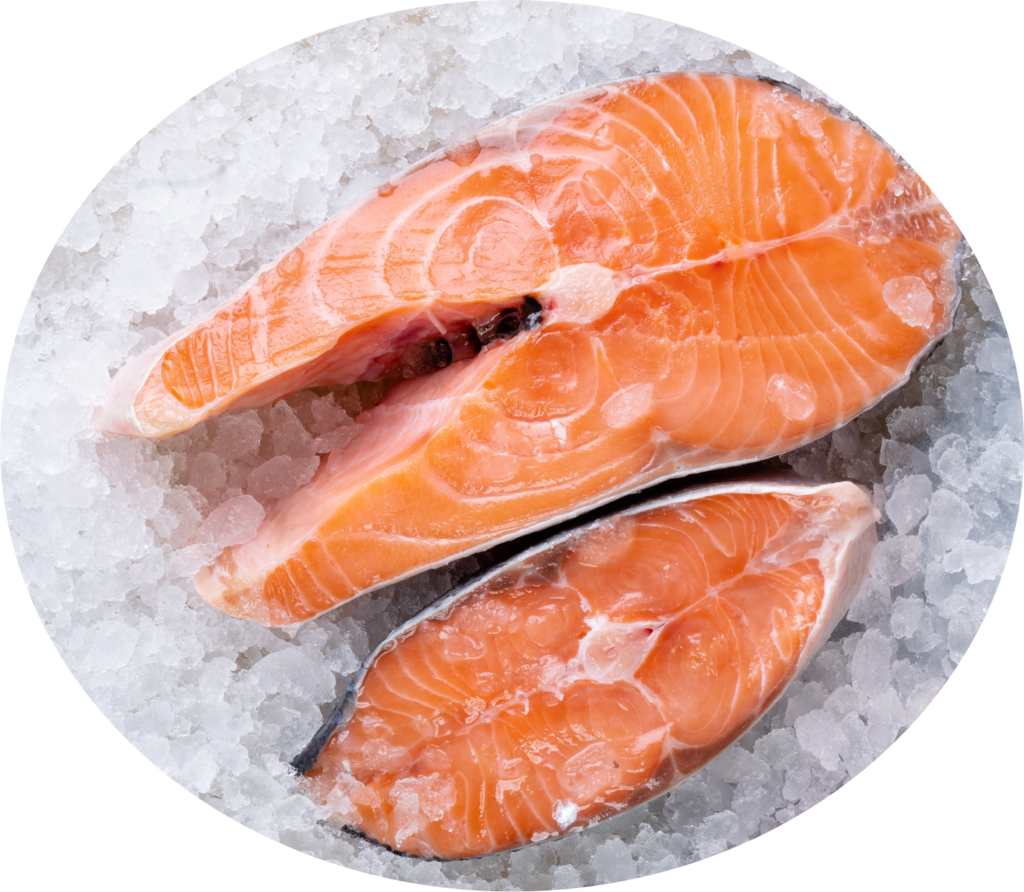
Salmon – A rich source of omega-3 fatty acids (EPA and DHA), Vitamin B complex, and antioxidant elements like selenium and other minerals like phosphorus, zinc, and potassium.

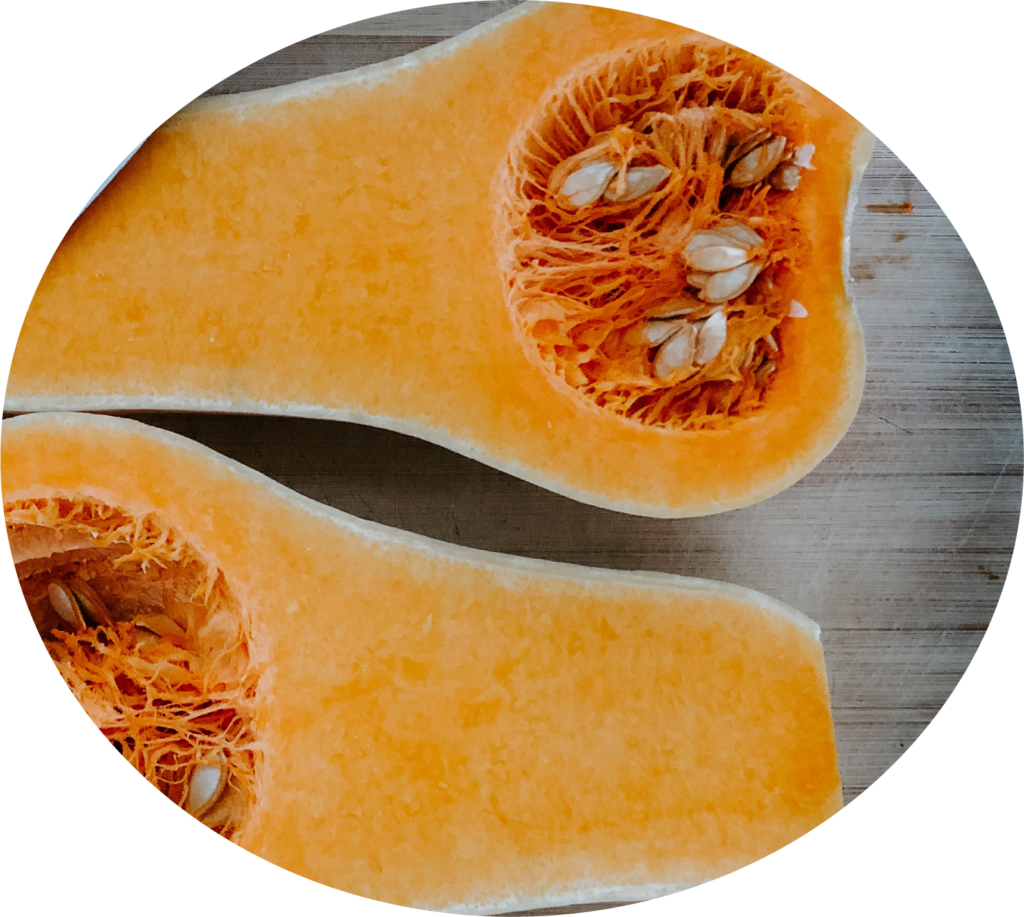
Squash – A good source of vitamin A, C, and B vitamins; they’re high in antioxidants and rich in minerals and fiber. 

The Whole Food Benefits You'll See In Every Recipe

Antioxidants

Oxidative stress happens every day. It’s a normal part of metabolism, but it increases when the body is under strain — from inflammation, illness, or simply working harder to maintain balance.


When this happens, the body has to spend more energy repairing cellular damage and maintaining normal function.


Antioxidants help regulate this process. They protect cellular integrity and help the body maintain stability, so it can focus on essential functions instead of constantly compensating for damage.


This matters for every dog. It matters even more for dogs managing illness, where the margin for inefficiency is smaller and nutritional support plays a more direct role in maintaining stability.


For this reason, antioxidant support isn’t an afterthought in Medicus diets. It’s built into the foundation. Whole ingredients like blueberries, spinach, and krill provide naturally occurring antioxidant compounds in forms the body can recognize and use — helping support balance when the body needs it most.

Quality Whole Meats

The foundation of every Medicus diet begins with whole cuts of meat sourced from animals approved for the human food supply.
We use intact, identifiable meats — not rendered meals or byproducts. Starting with whole cuts helps preserve the natural structure of protein and fats, supporting digestibility and nutrient integrity.
Ingredient quality begins before formulation. When nutrition starts intact, the body can use it more efficiently.

1:1 Omega 6:3 Ratio

Omega-3 and omega-6 fatty acids help regulate inflammation, support cellular health, and maintain normal physiological balance. But what matters most isn’t just how much is present — it’s the ratio between them.

Most modern pet foods contain far more omega-6 than omega-3. When that balance is off, the body has a harder time regulating inflammation and maintaining stability.

A balanced ratio allows the body to function the way it’s designed to — using these fats to support normal immune function, organ health, and metabolic stability.


The average kibble diet can have ratios as high as 40:1 omega-6 to omega-3, largely due to processed fats and rendered ingredients.


Medicus diets are built differently. By using whole food sources naturally rich in omega-3 fatty acids — including grass-fed meats, anchovies, and krill — every Medicus formula achieves a balanced omega-6:3 ratio, with many reaching or exceeding 1:1.


When this balance is preserved, the body spends less time compensating for imbalance — and more time maintaining stability.

×
 
Why Choose to Autoship?
  • Automatically re-order your favorite products on your schedule.
  • Easily change the products or shipping date for your upcoming Scheduled Orders.
  • Pause or cancel any time.